
Perfection is a lovely concept. Apart from being the catalyst for self-discipline, innovation, creativity, time-management and more – it drives ambition. Although achieving a 100% perfection is a myth, we still use ‘ideal case scenarios’ as a baseline to guess deviations and potential solutions in almost all fields of work. Among these is dentistry which doesn’t simply heal ailing individuals anymore but has evolved to make us feel pretty too.
Aesthetic/Cosmetic dentistry has an interesting history. It was founded by Newell Sill Jenkins, an American dentist who discovered the use of porcelain in dentistry. Based on his research in Germany, he created the very first porcelain dental restorations and founded Klewe and Co for manufacturing of the ‘Jenkins porcelain enamel’. Samuel Langhorne Clemens, a friend of his, bought its distribution rights for the United States – the same man known by his pseudonym Mark Twain.
In 1890, Jenkins and Dr. Willoughby D Miller discovered that oral bacteria break down carbohydrates to acid in teeth leading to dental caries. He introduced ‘Kolynos’ – the first disinfectant containing toothpaste. By 1937, it was produced in 22 countries and sold in 88 countries. It was acquired by Colgate-Palmolive 1995. Although no longer produced in the US, it’s still a popular brand in Latin America. In Peru, Kolynos is synonymous with toothpaste and a big smile is still called a Kolynos smile.
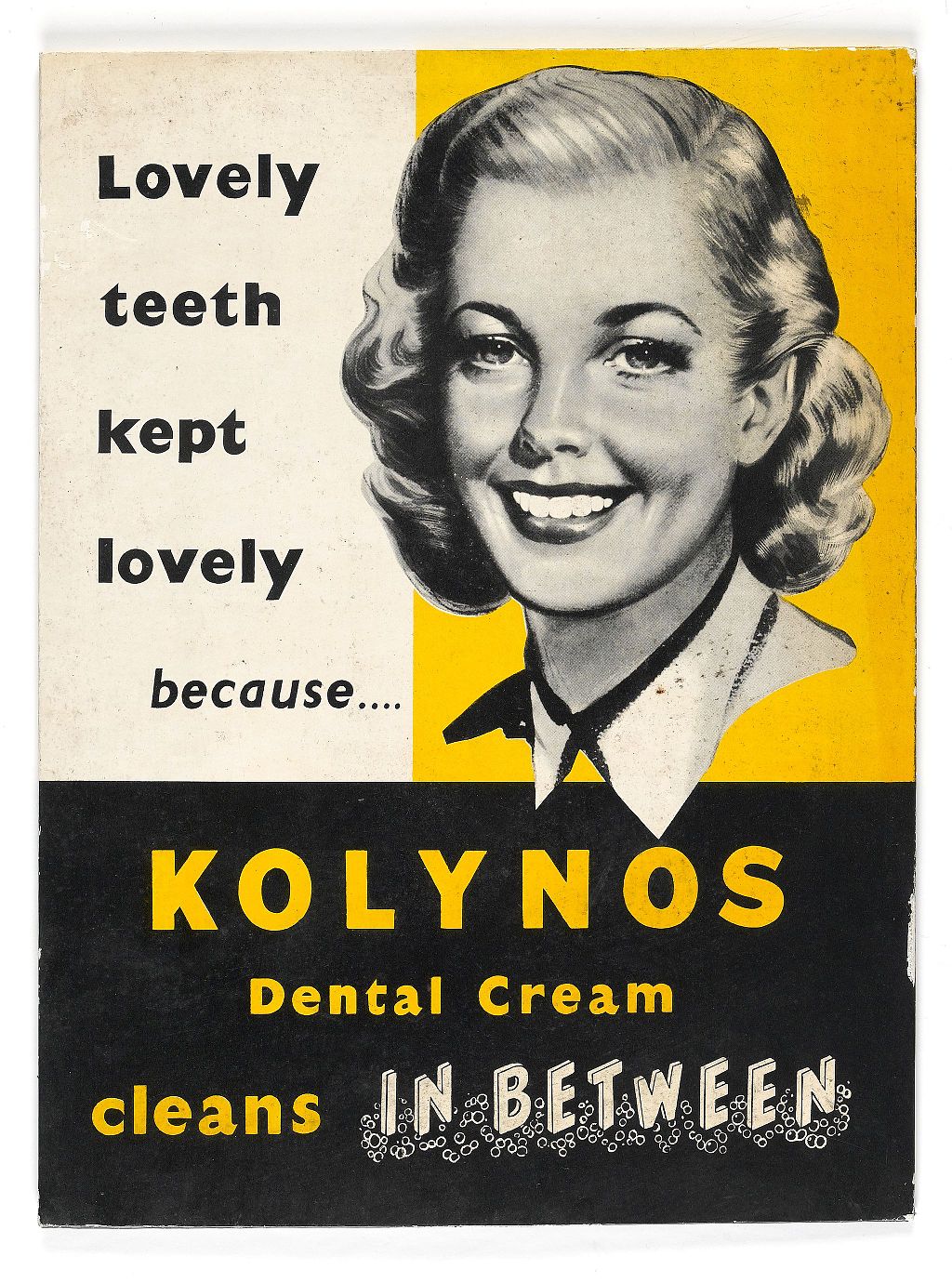
Today, the aesthetic standard defining a perfect smile varies globally. For example, most believe that gleaming white and perfectly aligned teeth are preferred in the United States. However, the identical smiles sported by most American celebrities is ridiculed as ‘Chiclets-like’ by some. Europeans seem to prefer a more natural look to the extent that slight alterations to the angle and color of the artificial teeth on dental prosthesis, to match their former smile, is an aesthetic requirement by the patient.
Ultimately, anything cosmetic comes down to personal preference. It’s a complex world where one school of thought is obsessed with portraying perfection and the other with celebrating mother nature as is. Another thought process lies in the middle and might daringly be called the ‘Tolerance school of thought’ which begs us to ask – how much aesthetics is tolerable?
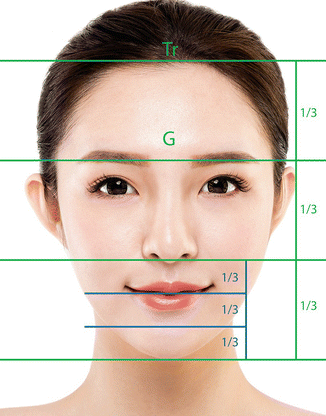
Researchers measured the front and side facial profiles of beautiful people to create a golden ratio which is used by plastic surgeons, orthodontists and oral surgeons today to make treatment plans. Similarly, ideal smiles were measured to create standards used by dentists and dental technicians worldwide to create dental restorations/prosthesis.
However, despite the fixation on a golden standard of beauty, there are multiple examples of naturally imperfect smiles still deemed attractive. Some crowded smiles or those with gaps in the front two teeth (called diastema) give a unique touch to the person’s personality.


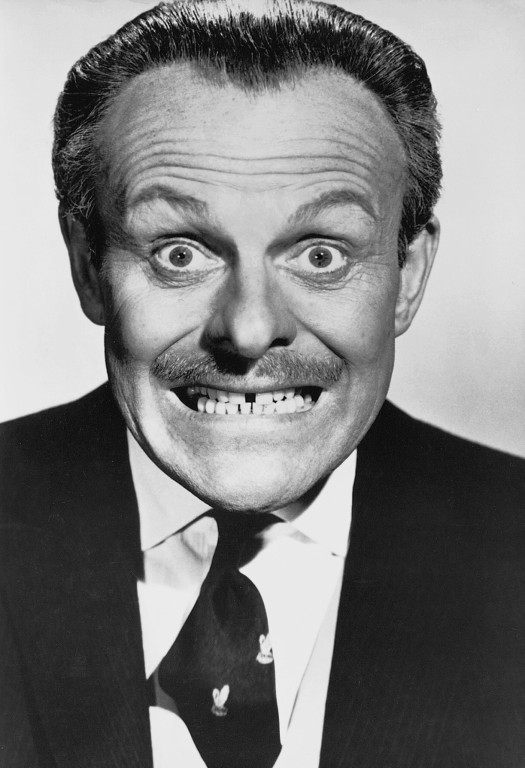
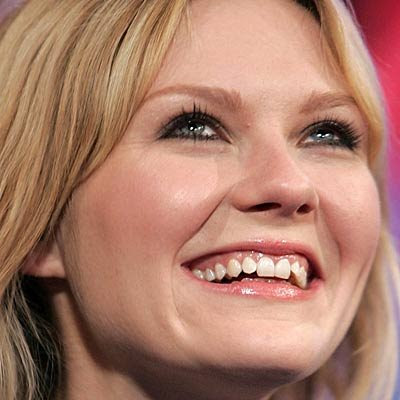

The focus of dental technology is to refine the surgical/non-surgical methods, instruments and the quality of dental materials. Currently in cosmetic dentistry, the level of accuracy achieved to imitate the translucency and hue of natural enamel is amazing. However, one might argue that over preparation to achieve an exact ratio creeps on to becoming uncomfortable.
As important as it is to help an individual improve their self esteem through cosmetic aids, the flip side of the argument is in the very nature of this industry that feeds on the physical insecurities of people. Cosmetic dentistry is no exception. Unless a person has a dental defect that is severely disfiguring, hampers proper occlusion or results in improper oral hygiene, it seems unethical to permanently alter an irreplaceable part of the human body.
Achieving cosmetic perfection is rarely a thought that disappears with time as aging is a quintessential part of the human experience. Just like the skin wrinkles, oral health changes with age as well. Cumbersome removal of permanent prosthesis to treat the underlying teeth, chipping or fracture of old restorations and the maintenance, time and cost of a desired look are just a few parameters that patients need to be informed in advance before jumping into any kind of permanent alteration.
A good dentist explains the difference between expectation and tolerable results. He/she also educates the patient well on what they are to sign up for before any procedure. A smart patient is somebody who listens and never lets go of such a great dentist if they’re lucky to find one. Physical beauty, like perfection, is merely a lovely concept – nobody has been able to achieve it 100%. Inner beauty, however, need only be self-nurtured and is visible through something as simple as an untouched SMILE.
References : https://en.wikipedia.org/wiki/Newell_Sill_Jenkins
 Dental Yoda