
Artificial Intelligence as your confidante in Implant dentistry
As a practicing Prosthodontist, successfully completing an implant treatment brings a good night’s sleep. With the integration of Artificial Intelligence (AI), we are advancing one step closer to achieving guaranteed outcomes with surgical & prosthetic procedures like dental implants, ultimately contributing to patient comfort, satisfaction, retention.
Artificial Intelligence has significantly propelled the success rates in implant dentistry through advancements in machine learning and data analysis.
Implantology, which involves complex procedures and various inherent risks, strives for long-term success with minimal complications. AI emerges as a crucial tool in achieving these goals and satisfying the patients by enhancing precision, outcomes and reducing failure rates throughout the treatment process. It is almost as if AI can be your new virtual assistant and a confidante in the dental office.
Here is a Detailed Analysis of how AI is Can be a Confidante to a Dental Implantologist:
As a confidante and a reliable assistant, AI is available as an aide and sidekick through the diagnosis, treatment planning and mock-up surgeries in implantology. Given that, here is how AI impacts dental implant workflows at every step.
1. Comprehensive Checklist for Implant Planning:
Implant planning involves meticulous consideration of patient data, clinical assessments, radiographic evaluations, surgical strategies, prosthetic preparations, and risk assessments. DenTech companies have introduced multiple AI based softwares and tools that help centralize these necessary elements.
Every clinical case comes with its own challenges, and what better than being able to have your whole team brainstorming together. AI fulfils this need via its collaboration tool, connecting both surgical and prosthetic teams. Centralization of data reduces human effort of verbal data transformation. Entire team can efficiently observe and analyse the data without missing any necessary elements.
2. Radiographic Analysis and Planning:
I’ve encountered several situations where expert guidance proves invaluable in diagnosing and planning evidence-based treatment plans for greater success. Is it too soon to call AI an expert guide in your clinical practice?
The basis of AI rests on extensive, meticulously curated clinical data. Machine learning, the key concept in AI can autonomously skim vast data sets, study the data, identify trends and highlight potential areas of concern and risks guiding adjustments to the treatment plan as needed for optimal outcomes.
AI-driven software expedites the analysis of 2D and 3D radiographs, providing detailed insights into implant location, quantity, bone quality and quantity, implant size, and potential complications.
There are a few companies that one can tap into: Nano AI by Eighteeth and Diagnocat.
3. Integration of CBCT and STL Files:
AI seamlessly integrates STL files from intraoral scans with DICOM files from CBCT 3D imaging. This integration is pivotal in prosthetic treatment planning, surgical guide fabrication, and the creation of temporary restorations.
A patient arrives with great hope, stepping into unfamiliar territory. AI-generated models can aid in visualizing the final result through virtual simulation within minutes after the scan improving patient understanding, engagement and managing expectations effectively. In my practice, this tool has been proved to be a great motivator for both patient and the entire dental team.
4. Guided Implant Surgery
The surgical field comes with its own set of challenges. Better visualisation and knowledge of the field entail improved manoeuverability. AI utilizes real-time data from 3D scans and intraoral images to optimize implant size, location, and angulation based on individual anatomical characteristics and bone density. This technology reduces surgical risks, improves precision during live-guided surgeries, and ensures accurate implant placement using AI-generated surgical guides.
Build your confidence with AI-enabled live-guided surgery
5. Planning Implants in the Aesthetic Zone:
Implant placement in the aesthetic zone (anterior dental implants used for smile designing) demands careful consideration of soft tissue contours and aesthetic objectives. AI analyses 3D scans to simulate post-implant soft tissue dynamics, aiding in the creation of customized emergence profiles and temporary restorations for immediate loading. Enhanced collaboration between practitioner and dental labs ensures meticulous execution and superior aesthetic outcomes.
Takeaway
AI is the secret sauce transforming implant dentistry. It’s like having a wizard’s wand for precision, efficiency, and outcomes. With AI on board, implant procedures become smoother rides, ensuring happier smiles and satisfied patients.
How the Global Dentists’ Pool supports AI- transformation in the Dental Landscape
The Global Dentist’s Pool, is a platform to bridge the gap between clinical needs and the innovative Tech ideas by helping dentists and scientists/engineers collaborate more efficiently.
For dental companies
With a 100+ dentists spread across 21 countries, this Pool supports dental companies by helping them
(1) validate their design ideas by running surveys in a large global cohort of practitioners and/or
(2) hire premium dental advisors to support various clinical, regulatory, marketing and sales projects.
These are all dentists specialized in the MedTech in different domains. The core focus is to avoid hiring multiple ‘non-dental trained’ freelancers and consultants and hire a premium dental advisor instead, a single substitute for multiple human resources, in the form of one highly specialized advisor.
For dentists
The Global Dentists’ Pool provides both general dentists and specialists, with opportunities to participate in dental projects without disrupting their clinical practice. The number of hours of engagement is flexible and dentists can upskill themselves by taking the “premium dental advisor program” which teaches how devices are made with medical device industry fundamentals.
If you would like to engage with us to support your project or advance your dental career, then reach out to us at contactus@namnrpro.org.
Author information
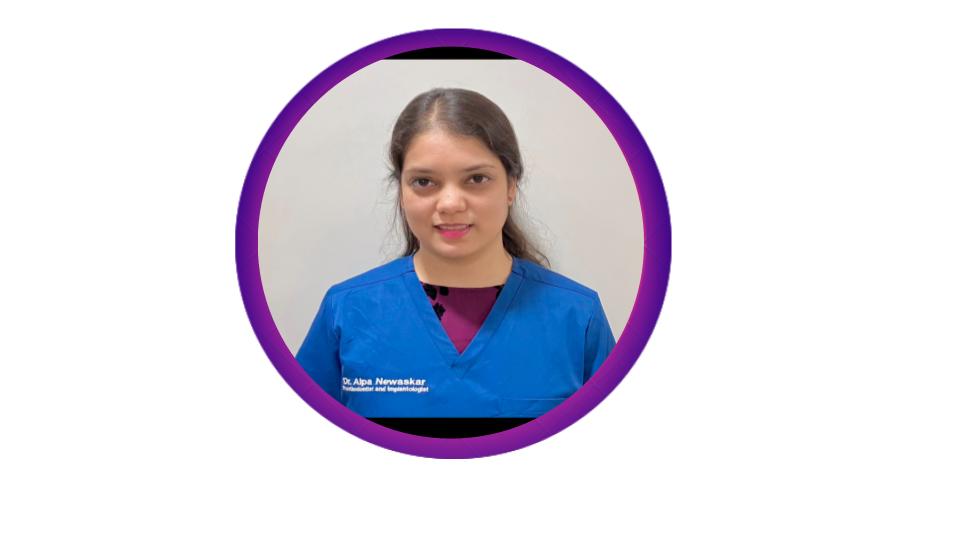
Dr Alpa Newaskar is a practicing oral and maxillofacial prosthodontist, implantologist & member of the Global Dentists Pool. She is a celebrated aesthetic dentist specialising in TMJ management. Her paper & poster presentations at global dental conferences have been instrumental in shaping her profile as a dental clinician and educator. As a dental education enthusiast, she offers her clinical experiences and ideas to train professionals in dental companies, helping them drive innovation in this healthcare niche.
Disclaimer
All opinions mentioned in this article are the author’s own and not shared by NamNR Pro.
 Dental Yoda